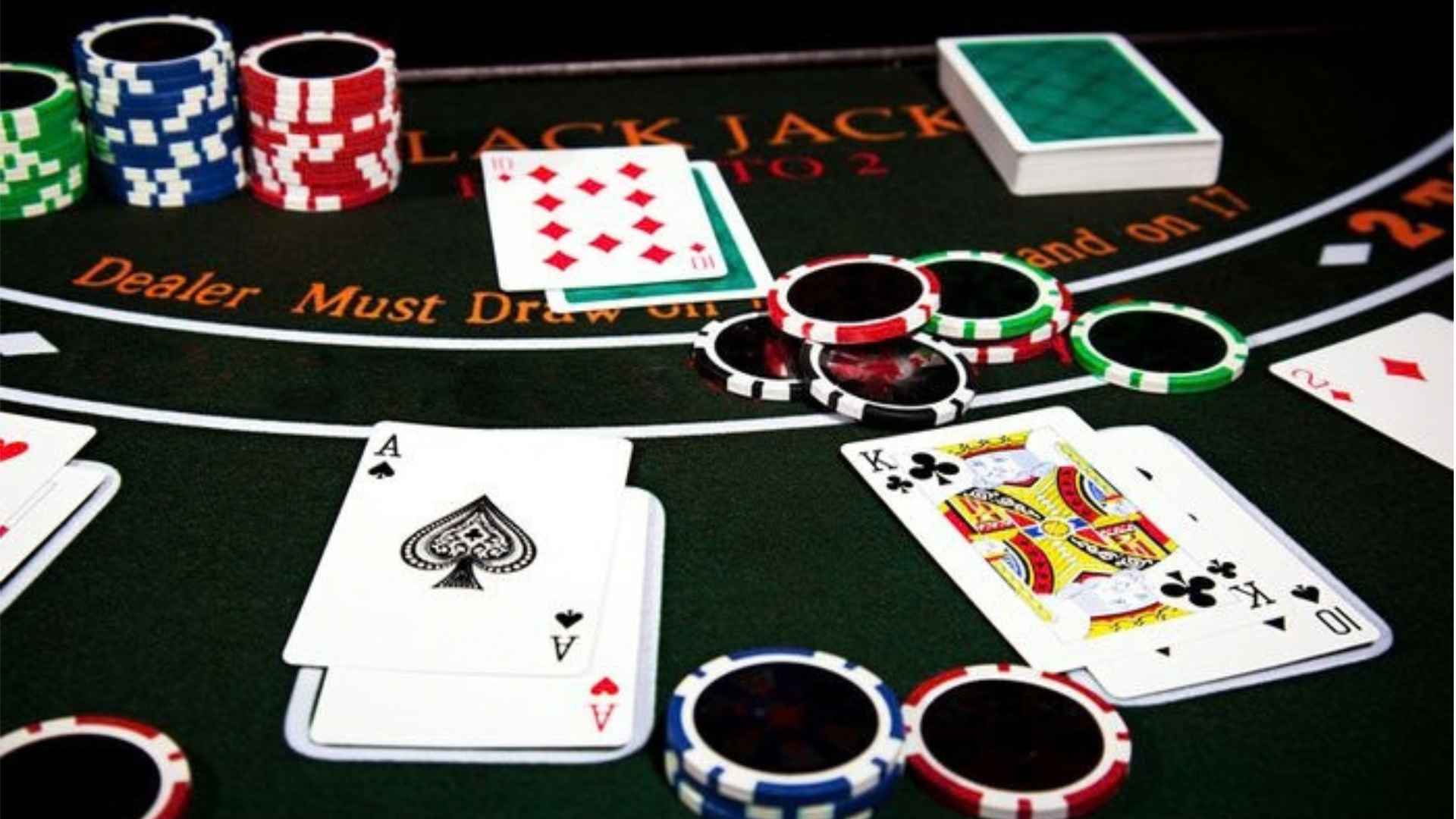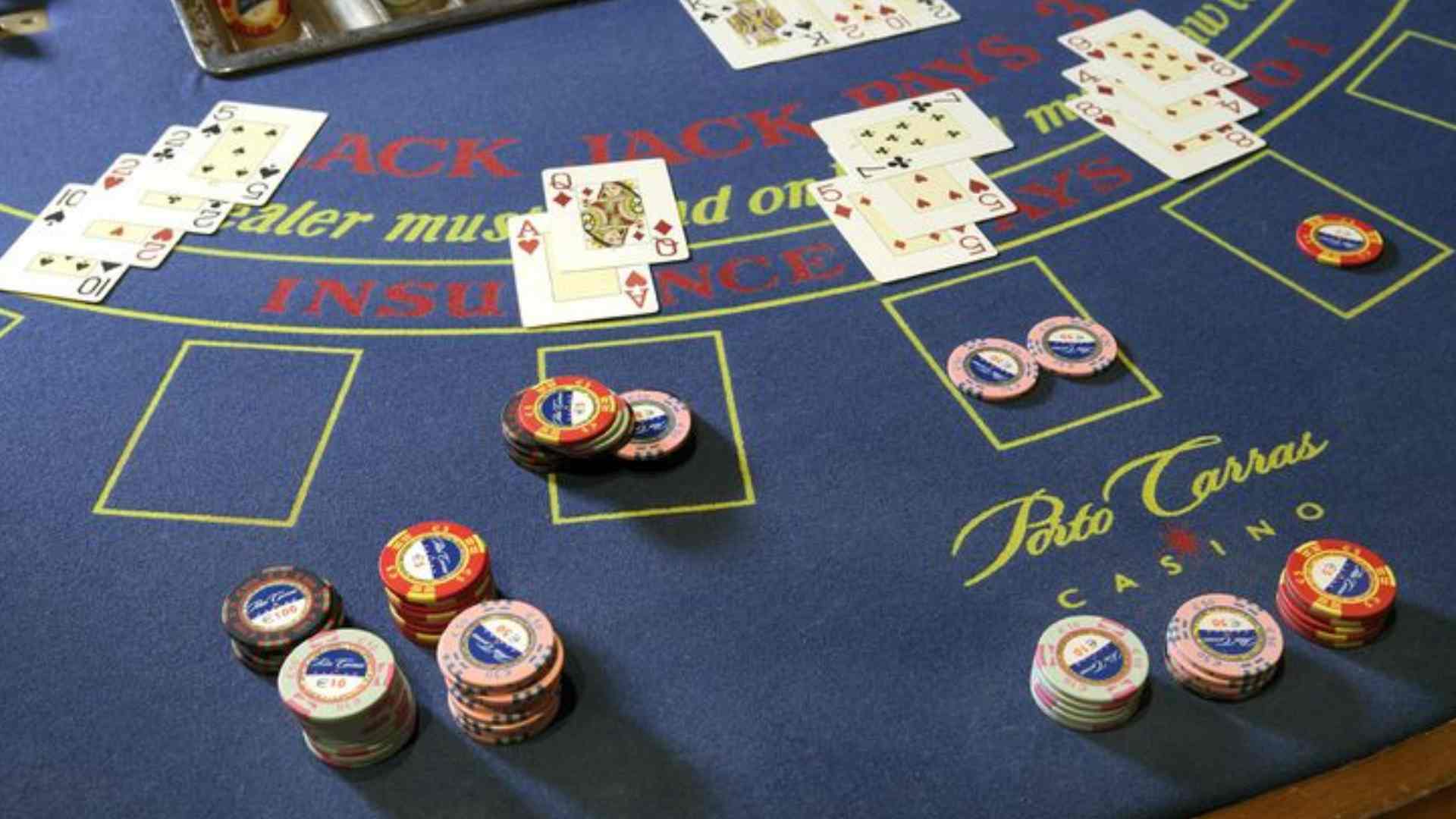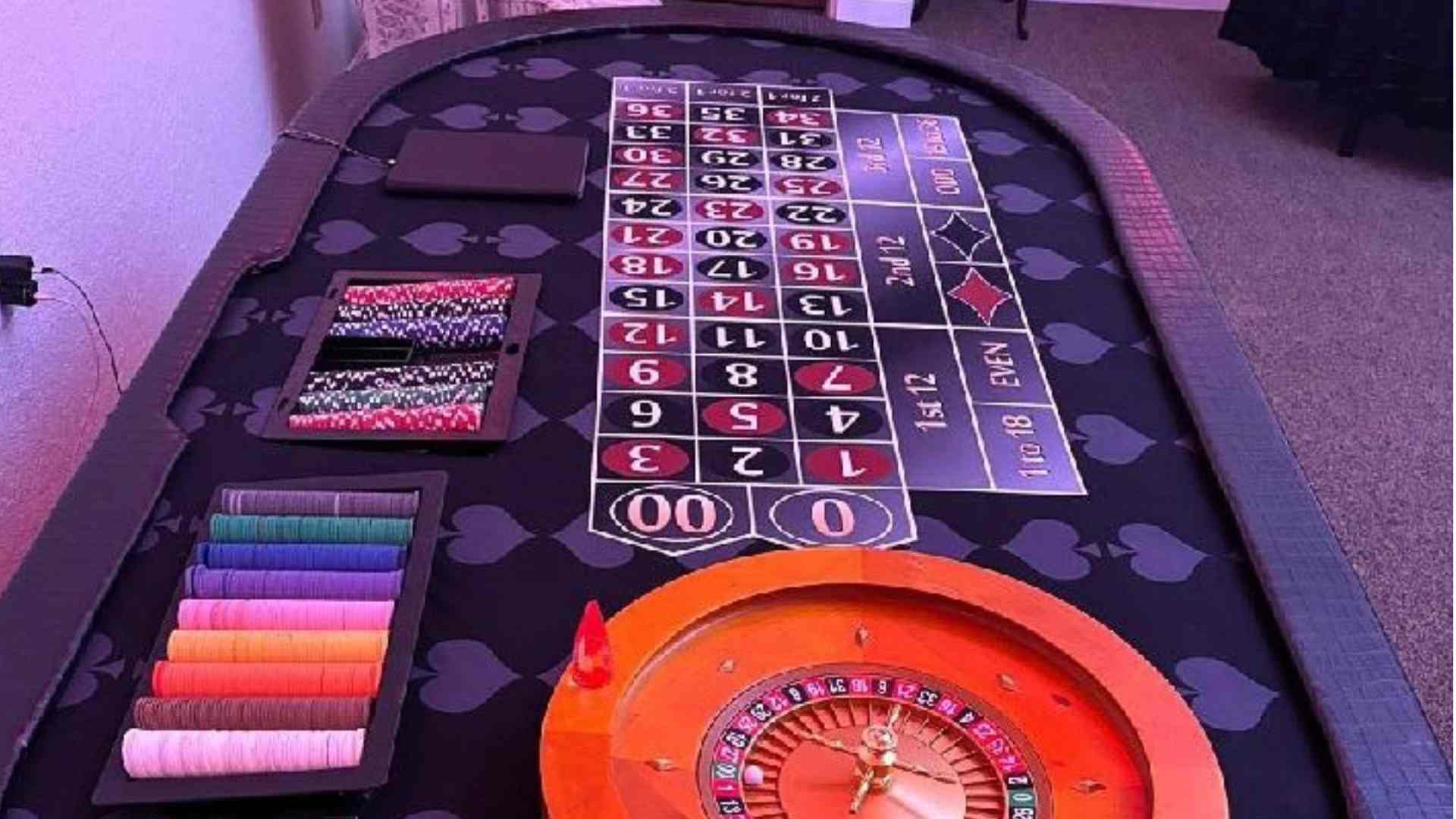
The architecture of historic gambling salons was meticulously designed to foster a specific type of community and behavioral expectation among its participants. Long before modern corporate entities took over operational duties, early card rooms relied heavily on individuals stepping up to manage the table funds. This specific arrangement meant that a passive wagering choice frequently transformed into a profound strategic commitment filled with intense social dynamics.
The Weight of Financial Expectations
When a player assumed the role of the banker in traditional settings, they were not just managing a mathematical percentage. They became directly responsible for covering the potential wins of every other person seated around the layout. This shared exposure meant that their financial status and immediate decisions were put on display for the entire room to witness.
The physical proximity of opponents added a layer of psychological tension that automated modern versions rarely replicate. Observers and participants watched every movement, analyzing whether the banker possessed the nerve to handle fluctuating stakes. This intense environment turned a standard card game into a complex trial of character and social status.
Community Accountability and Protocol
In exclusive European salons, table habits served as a social metric that separated seasoned noblemen from casual guests. Holding the bank carried an unwritten expectation of grace and composure, regardless of how the cards fell. Exhibiting signs of panic or frustration was viewed as a major breach of etiquette that could damage a person's standing in high society.
This peer dynamic meant that the operational burden went far beyond the physical cards dealt into a hand. The banker had to maintain order, follow strict protocol, and project absolute confidence to keep the table running smoothly. Navigating these expectations required a high level of personal vigilance and constant environmental awareness from start to finish.
The Shift Toward Streamlined Systems
As gaming culture evolved across different eras, the high-stakes pressure of player-managed banking gradually shifted toward centralized models. Modern venues minimized individual vulnerability by introducing institutional dealers and standardized house rules that operate automatically. This transition eliminated the intense personal rivalries but also altered the core interactive nature of classic card tables.
Today, enthusiasts can easily experience modernized versions of these traditional formats from the comfort of their own homes. Players seeking a safe and reliable platform can utilize a trustworthy m88 link alternatif to explore a wide variety of contemporary table structures. These digital environments preserve the mathematical framework of classic card interactions while removing the heavy social burdens of the past.
Preserving the Spirit of the Game
Understanding the historic relationship between risk and table positions provides valuable perspective on how early entertainment traditions developed. While the visual presentations and technological features have dramatically advanced, the basic desire for strategic competition remains unchanged. Recognizing these older custom variations helps modern audiences appreciate the sophisticated evolution of global casino culture.
Ultimately, uncovering the history of table responsibilities reminds us that card games were originally deep social rituals. The psychological tension of facing the room created a captivating environment that defined early gambling houses for generations. This unique legacy continues to influence how modern players approach risk management and community dynamics today.