Engaging in tabletop activities is more than just a source of casual entertainment or a way to pass the time with family. Modern research reveals that specific table games act as powerful mental workouts, directly enhancing cognitive functions and critical life skills. By regularly challenging the mind, these activities help individuals elevate their focus, strategic thinking, and overall daily performance.
The Cognitive Boost of Strategy Board Games
Strategic board games require players to manage complex rules, anticipate opponents' moves, and plan several steps ahead. This continuous mental calculation strengthens working memory and enhances spatial reasoning abilities over time. Players who engage in these structured challenges often find themselves better equipped to handle multitasking and logical reasoning in professional environments.
Furthermore, these games teach valuable lessons in resource management and risk assessment. Making decisions under pressure in a simulated environment prepares the brain to face real-world challenges with greater confidence. Ultimately, the mental discipline gained from strategy games translates directly into sharper problem-solving skills outside the game room.
Refining Decision Making Under Pressure
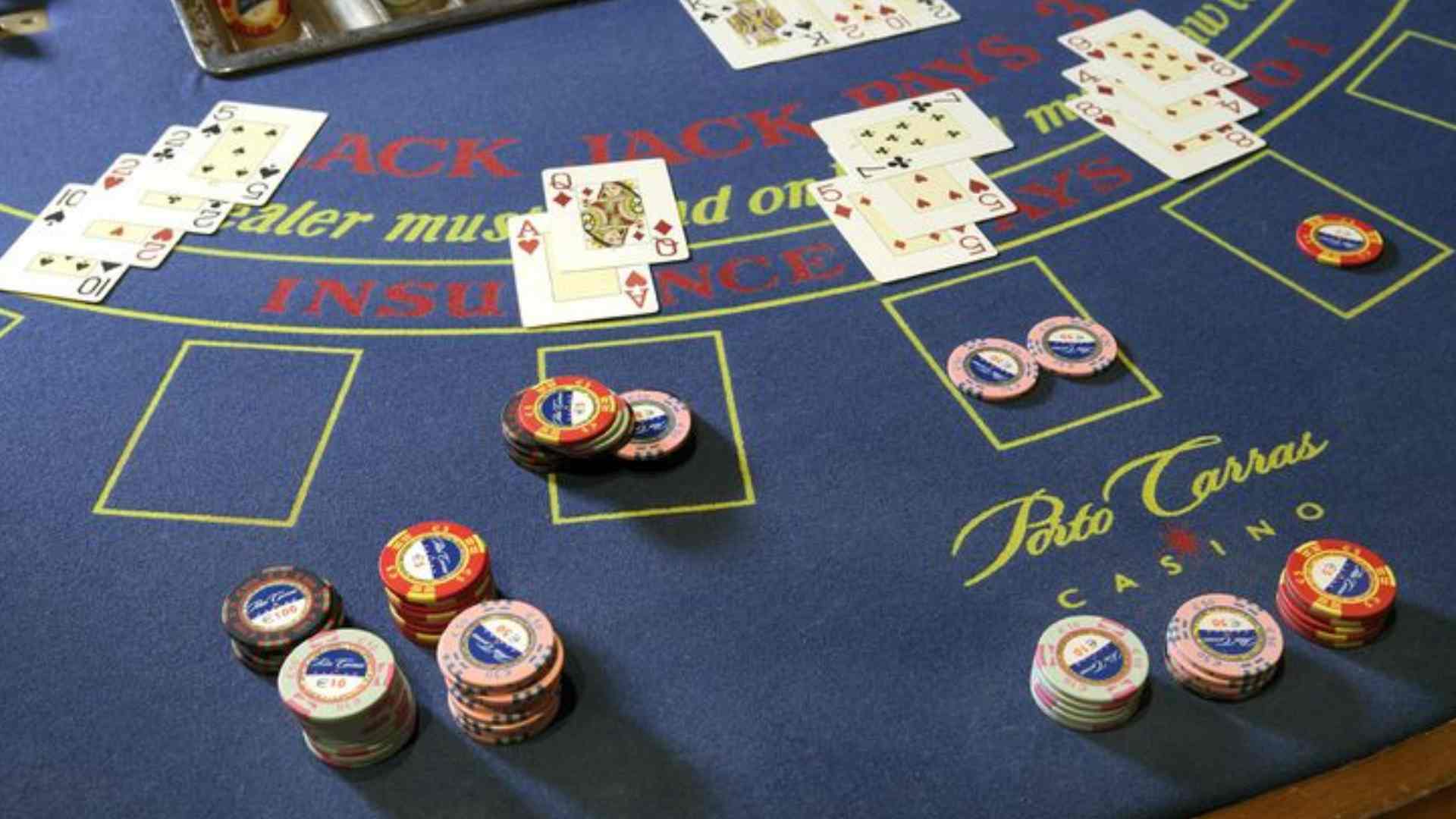
Many classic card games introduce elements of probability, psychology, and calculated risk-taking. Players must quickly analyze changing conditions, read subtle behavioral cues, and make rapid choices to secure a victory. This constant loop of observation and action trains the mind to remain calm and analytical during high-stakes situations.
If you want to put your tactical decision-making to the test and sharpen your focus in a dynamic online environment, visiting a reputable platform like M88 Bet offers an excellent space to practice. Regularly practicing these observation-based strategies sharpens your intuition and improves your ability to assess risks rationally. Over time, this disciplined approach to risk-taking can significantly improve your daily decision-making efficiency.
Strengthening Social and Emotional Intelligence
Cooperative table games shift the focus from individual competition to collective problem-solving and open communication. Players must negotiate, delegate tasks, and compromise to overcome the obstacles presented by the game. This collaborative dynamic fosters deep empathy, active listening, and strong interpersonal communication skills among participants.
Additionally, navigating the natural highs and lows of gaming helps individuals build emotional resilience and patience. Learning to handle unexpected setbacks gracefully is a crucial component of personal growth and professional collaboration. By practicing these social interactions in a low-stakes environment, players cultivate stronger relationships and better teamwork habits.
Enhancing Focus and Mental Longevity
In a world filled with constant digital notifications and short attention spans, physical table games demand sustained focus. Sitting down for an extended session encourages deep concentration and prevents the cognitive fatigue associated with passive screen time. This deliberate practice of mindfulness helps keep the brain active, healthy, and highly resilient as we age.
Sustaining this level of undivided attention trains the brain to block out external distractions more effectively. As a result, regular players often report improved concentration levels during complex work or academic tasks. Investing time in tabletop gaming is a fun, proven method to preserve cognitive vitality and optimize your mental output.