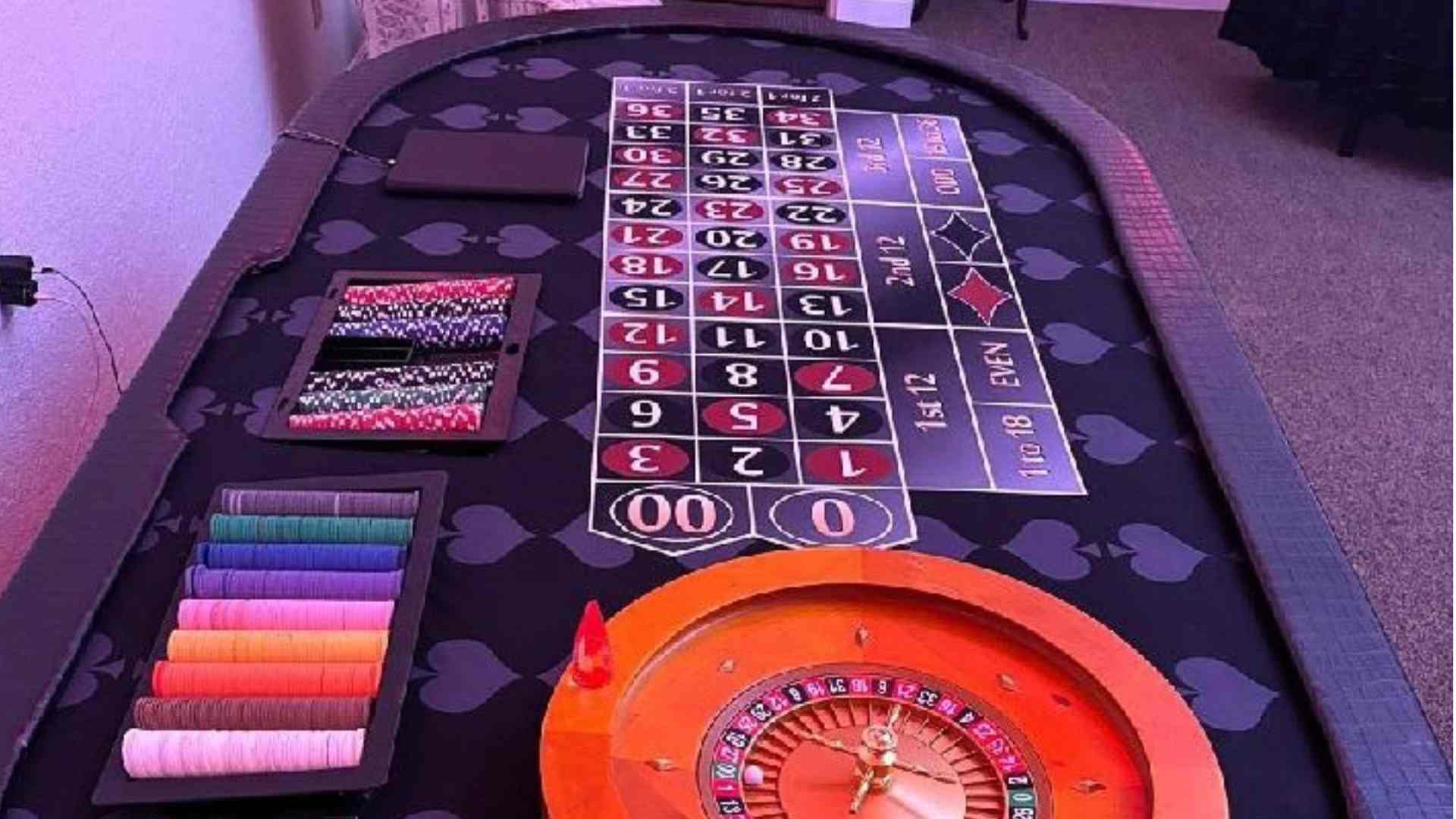
Walking into a live card room for the first time reveals an auditory landscape that is entirely unique to competitive gaming. The combination of clacking chips, shuffling decks, and distinct verbal declarations forms a shared language that guides the pace of every table. Understanding these common phrases and localized jargon is essential for any player looking to maintain focus and execute strategies without hesitation.
The Essential Declarations of Table Play
During any standard round, players must clearly announce their tactical intentions to keep the game moving smoothly. Verbalizing options like check, call, or raise ensures that everyone at the table understands how the active wagering pool is shifting. Failing to speak clearly or moving chips ambiguously can lead to misunderstandings that disrupt the natural flow of the match.
Among the most critical announcements is the decision to forfeit a hand, which is universally signaled by stating a fold. This simple declaration immediately removes a player from the current round, allowing them to protect their remaining chips for future opportunities. Mastering these standard vocal cues builds confidence and establishes a professional presence during live sessions.
Navigating Technical Decisions and Floor Rulings
Beyond the basic player choices, specific card room speech revolves around administrative clarity and game integrity. When an unusual situation arises or a rule needs clarification, players or dealers will instantly call for the floor manager. This standard phrase brings an impartial supervisor to the table to evaluate the scenario and deliver a binding decision.
Understanding how tournament directors and floor staff communicate helps participants stay informed during high-stakes moments. For individuals looking to practice managing these fast-paced table environments, finding a dedicated online venue like the M88 Bet platform offers a controlled space to observe structured pacing. Recognizing these technical boundaries protects your chip stack and ensures a fair competitive experience.
The Psychology of Table Talk and Deception
Live card rooms are also filled with informal speech designed to gather information or misdirect opponents. Casual conversations, often referred to as table talk, are frequently utilized by experienced competitors to gauge an opponent's psychological comfort. By asking casual questions, a player might drop clues about the strength of their holding through subtle changes in their vocal tone.
Learning to filter out this intentional noise is a vital skill for anyone aiming to improve their long-term win rate. Experienced participants remain disciplined, keeping their verbal interactions minimal to avoid giving away strategic tells. Maintaining a consistent conversational baseline prevents observant opponents from exploiting your habits during intense moments.
Decoding Shared Analytical Phrases
When the cards are dealt, the vocabulary often shifts toward mathematical probabilities and past strategic outcomes. Players frequently discuss concepts like pot odds, drawing potential, and positional advantages while reviewing completed hands. Speaking this precise language allows competitive groups to break down complex interactions and identify tactical errors efficiently.
Ultimately, becoming fluent in the distinct speech of the card room transforms the gaming experience from an intimidating environment into a structured arena. Paying close attention to both formal declarations and informal table discussions provides valuable insights into how your opponents think. Internalizing these auditory cues allows you to react faster and make much smarter strategic decisions over time.